
April 20, 2026
How to Store Perfume Properly So It Keeps Its Character
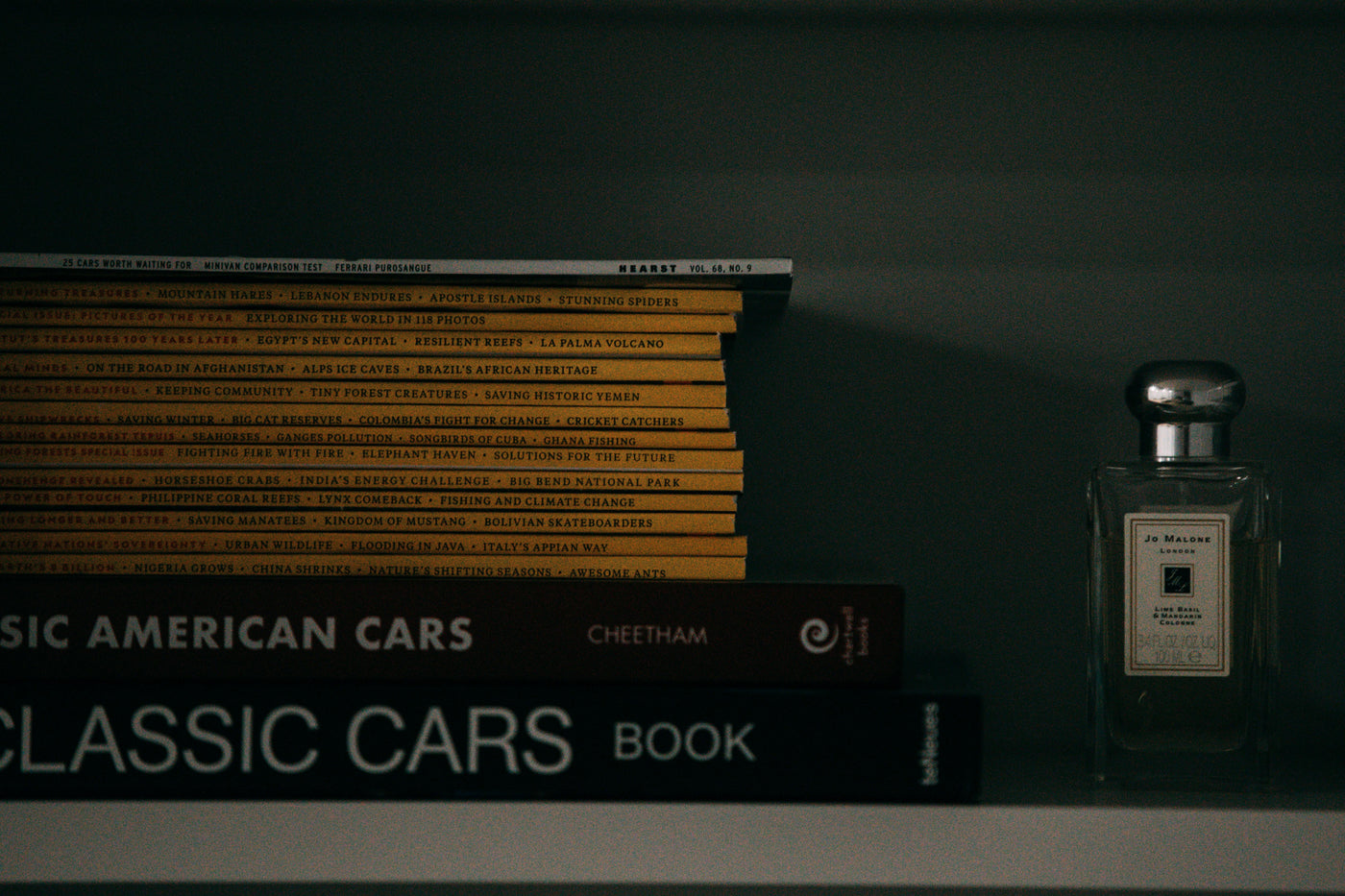
There is a difference between a perfume aging and a perfume being mistreated. Some fragrances deepen gracefully over time, softening at the edges and settling into themselves with a kind of quiet poise. Others simply go flat. The citrus grows thin, the florals lose their lift, the woods turn oddly dull, and the whole composition feels as though the music has gone out of it.
Much of that comes down to storage.
If you love fragrance, proper storage is less about fussiness than about preservation. Perfume is not as fragile as people sometimes fear, but it is sensitive enough that heat, sunlight, humidity, and unnecessary air exposure can change how it smells. If you want a bottle to keep its character, the goal is simple: give it a stable, calm environment and leave it in peace.
What Actually Damages Perfume
Perfume does not usually spoil overnight. The changes tend to be gradual, which is one reason people do not always notice them until a once-beautiful bottle starts smelling strangely sharp, faint, murky, or tired.
The main things working against fragrance are:
- heat
- direct light
- humidity
- repeated swings in temperature
- excess exposure to air
All of these can affect the delicate balance of volatile materials in a composition. Bright top notes are often the first to suffer, which is why a mistreated fragrance can lose its sparkle long before the base fully collapses.
Keep Perfume Away From Heat
Heat is one of the quickest ways to coax a perfume out of shape. It accelerates change, and not in the romantic, cellar-aged sense. Even a beautiful fragrance can start to feel disjointed if it spends too much time in a warm room, near a radiator, on a sunny windowsill, or inside a car.
This is especially worth remembering if you collect richer compositions with resins, amber, vanilla, oud, or spice. Those materials can feel sumptuous when a perfume is healthy, but muddled when it has been cooked by its surroundings.
The best storage spot is simply cool and stable. Not cold for the sake of cold, just temperate and consistent.
Light Is Not Your Friend
Perfume bottles are often beautiful enough to tempt display. That is part of the seduction of fragrance collecting. A row of bottles on a vanity can look marvelous in morning light. Unfortunately, that same light is often exactly what you do not want.
Direct sunlight is particularly harsh, but even bright ambient light over time is not ideal. If you can, store your perfumes in a cabinet, a drawer, a shelf away from the window, or even in their original boxes if you prefer a more protective approach.
This does not mean fragrance must live in darkness like a secret. It simply means it should not spend its life glowing on a hot ledge.
The Bathroom Is Usually the Wrong Place
This is the classic storage mistake because it feels so convenient. The bathroom is where many people get ready, so it seems natural to keep perfume there. But bathrooms tend to be full of steam, warmth, and temperature fluctuations, all of which are less than ideal.
One hot shower may not ruin a fragrance, but constant humidity and repeated heat shifts can slowly wear away at its clarity. If you want your bottle to smell the way it was meant to smell month after month, move it somewhere drier.
A bedroom dresser, closet shelf, or closed cabinet is generally far better.
Original Boxes Are More Useful Than They Look
Luxury fragrance packaging can feel almost too beautiful to throw away, and in many cases there is a practical reason not to. Boxes help shield bottles from light and dust, and they make long-term storage easier if you rotate between scents rather than reaching for the same bottle every day.
If you enjoy the look of bottles on display, you do not need to hide everything away at once. But for backups, special-occasion perfumes, or bottles you are saving for a different season, the original box is often the neatest and safest solution.
Air Exposure Matters Too
Every time you spray a fragrance, a small amount of air interacts with what remains in the bottle. That is normal. Perfume is made to be used, not preserved untouched like an artifact. But unnecessary exposure still matters.
What helps:
- keep the cap on securely
- avoid decanting unless there is a real reason
- do not leave bottles uncapped on a vanity
- store atomizers upright when possible
This is one reason full bottles tend to hold their shape better when they are treated as finished objects rather than props.
Should You Refrigerate Perfume?
For most people, no. Refrigeration is one of those ideas that sounds luxurious and precise, but in everyday use it is rarely necessary. A typical fragrance does not need to be chilled to survive. It needs to avoid heat and instability.
If a refrigerator is very cold, crowded, or prone to condensation, it can introduce its own issues. Unless you live in unusually hot conditions and have a dedicated, stable setup, a cool interior shelf or cupboard is usually the better answer.
The Rabbit's rule is simple: stable room temperature beats storage theatrics.
How to Tell If a Perfume Has Started to Turn
Perfume does not always fail dramatically. Sometimes the signs are subtle at first.
You may notice:
- the top notes feel sour, metallic, or unusually sharp
- the fragrance seems flatter than it used to
- the color has darkened significantly
- the scent moves too quickly from opening to tired base
- familiar richness has been replaced by a dusty or stale impression
This does not always mean the perfume is ruined. Some fragrances darken a bit with time and remain perfectly wearable. But if the soul of the composition feels altered rather than matured, storage is often part of the story.
Do Expensive or Niche Perfumes Need Special Treatment?
Not special treatment, exactly. Just thoughtful treatment.
Niche perfume often contains more nuanced structures, more distinctive materials, and more interesting transitions from top to base. That can make improper storage feel more obvious, because there is simply more character to lose. A beautifully textured iris, tea accord, incense note, or green opening can become muted if the bottle has lived badly.
That does not mean you need laboratory conditions. It means it is worth giving a good bottle the same courtesy you would give a fine sweater, a leather bag, or a favorite hardcover: keep it somewhere clean, calm, and out of trouble.
The Best Place to Store Perfume at Home
For most fragrance lovers, the best place is:
- cool
- dry
- shaded
- consistent in temperature
That might be a bedroom drawer, a closet shelf, a closed cabinet, or a bookcase well away from direct sun and heat sources.
In other words, think less spa-like bathroom vignette and more quietly protected corner of the room.
Final Thoughts
If you want perfume to keep its character, the answer is not complicated. Protect it from heat, light, humidity, and unnecessary air. Store it somewhere stable. Resist treating it like decor first and fragrance second.
Perfume is meant to be worn, of course, but part of wearing it well is storing it well. A fragrance that has been kept with a little care retains not only its materials, but its mood: the brightness of its opening, the shape of its heart, the elegance of its drydown.
And that, in the end, is what most fragrance lovers are really trying to preserve.